

Table of Contents
ToggleSmall enclosed patios often feel like the forgotten stepchild of a home, too cramped for a furniture set, too shaded for a full garden, and generally too awkward to furnish confidently. But here’s the thing: a compact, enclosed patio can outperform a sprawling open deck when it comes to usability, comfort, and year-round function. Whether it’s screened-in, glassed, or wrapped with lattice, a small enclosed patio shields users from bugs, rain, and nosy neighbors while creating a genuine indoor-outdoor hybrid space. The secret isn’t adding more square footage, it’s making every square inch count through smart material choices, vertical thinking, and strategic design moves that don’t require a contractor or a four-figure budget.
Key Takeaways
- Small enclosed patio ideas maximize functionality by leveraging vertical storage, wall-mounted features, and smart furniture choices that transform cramped spaces into year-round rooms without requiring professional help.
- Wall-mounted fold-down tables, pegboard storage, and floating shelves keep floor space clear while creating the visual illusion of a larger enclosed patio.
- Lightweight, stackable furniture like bistro sets, folding chairs, and nesting tables are ideal for compact patios under 80 square feet.
- Layered lighting with LED string lights, wall sconces, and solar lanterns combined with light color schemes expand the perceived space and improve ambiance.
- Hanging planters, railing-mounted containers, and vertical garden panels add greenery without consuming valuable floor space in a small enclosed patio.
- Diagonal interlocking deck tiles, outdoor rugs, and light-colored stains on flooring visually stretch the space and define functional zones.
Why Enclosed Patios Are Perfect for Small Spaces
An enclosed patio offers weather protection, pest control, and privacy, three things that open patios can’t guarantee. When space is limited, enclosing a patio multiplies its functionality. A 6×10-foot screened patio becomes a year-round breakfast nook, a potting station, or a home gym without the mosquitoes.
From a structural standpoint, most enclosed patios fall into one of three categories: screened enclosures (aluminum or wood frames with fiberglass mesh), three-season rooms (insulated walls with operable windows, no climate control), and four-season sunrooms (insulated, HVAC-connected, treated as interior space). Each has different permitting requirements. Screened porches often fall under general residential code, while sunrooms may trigger energy code compliance and require HVAC load calculations. Check with the local building department before framing anything permanent.
Small enclosed patios also solve the “wasted transitional space” problem. Instead of a bare slab that’s too hot in July and too cold in October, enclosing it creates a buffer zone that moderates temperature, reduces energy loss through adjacent doors, and keeps outdoor gear contained. Think of it as a mudroom with a view.
Maximize Vertical Space with Wall-Mounted Features
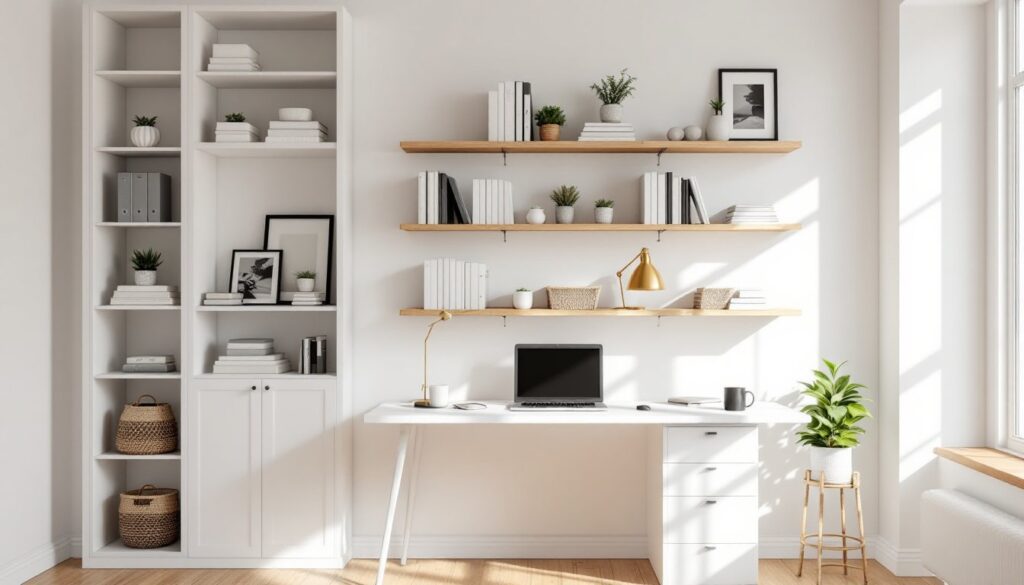
In tight quarters, the walls do the heavy lifting. Vertical storage, shelving, and décor keep the floor clear and trick the eye into reading the space as larger.
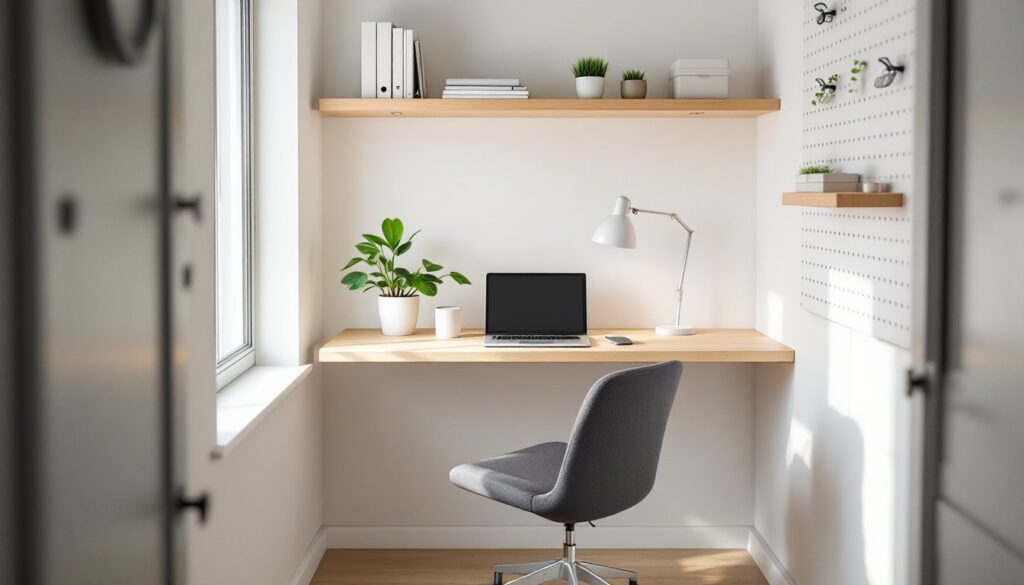
Wall-mounted fold-down tables are a game-changer. A 24×36-inch birch table with piano hinges mounts to studs and flips up when not in use, freeing up floor space for foot traffic. Pair it with fold-down bistro chairs or stadium-style seats hung on hooks.
For storage, use slatwall panels or pegboard, both accept modular hooks, baskets, and shelves. Mount them directly to wall studs (16 inches on center in most framed walls) using 3-inch deck screws. Pegboard comes in ¼-inch tempered hardboard (paintable, affordable) or metal versions (rust-resistant for humid climates). Slatwall is pricier but accepts heavier loads and looks cleaner.
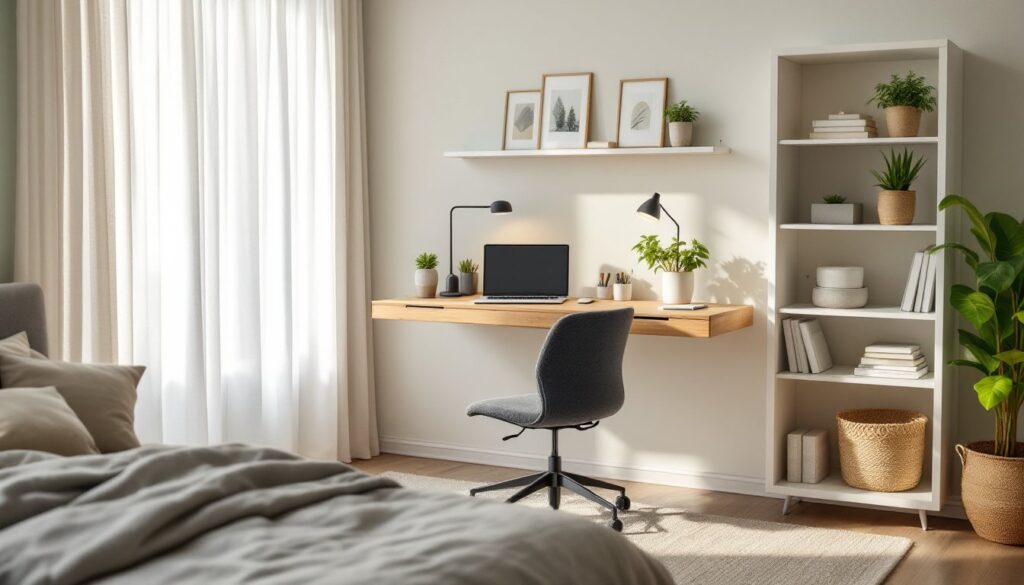
Floating shelves work well for plants, lanterns, or drinkware. Use 8-inch-deep shelves to avoid visual clutter. If mounting to masonry or brick, use sleeve anchors rated for exterior use, standard plastic anchors won’t hold in damp conditions.
Consider wall-mounted planters with built-in drip trays. Ceramic or powder-coated steel versions withstand humidity better than untreated wood. Mount them at varying heights to create depth without eating into floor space.
Smart Furniture Choices for Compact Enclosed Patios
Furniture for small enclosed patios needs to be modular, stackable, or dual-purpose. Skip the oversized sectional.
Bistro sets (24- to 30-inch round table with two chairs) are the sweet spot for patios under 80 square feet. Metal bistro sets withstand humidity and stack easily: look for powder-coated aluminum or galvanized steel frames. Wooden versions (teak, acacia) require annual oiling but won’t heat up in direct sun.
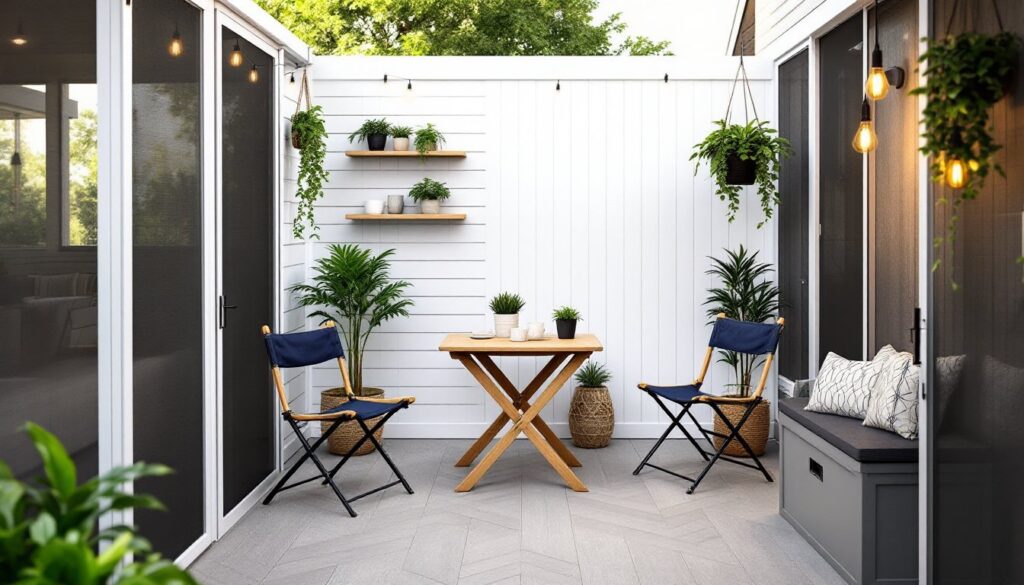
Folding director’s chairs beat most fixed seating in tight layouts. They’re lightweight, hang on wall hooks, and most models have replaceable canvas slings that wash in a machine, crucial for a space that transitions between indoor and outdoor use.
For seating that doubles as storage, consider a deck box bench. A 48-inch resin deck box holds cushions, garden tools, or pool toys while providing seating for two. Make sure it’s rated for 500+ pounds if it’ll be sat on regularly.
Nesting side tables are vastly underrated. A set of two or three in powder-coated metal or teak slides together when not needed and spreads out for drinks, books, or plant trays. Designs inspired by small space living ideas show how nesting furniture keeps flexibility high and visual weight low.
Avoid glass-top tables on small patios, they amplify clutter and require constant cleaning. Stick with solid wood, metal mesh, or stone composite surfaces that hide dust and pollen.
Create Ambiance with Lighting and Color Schemes
Lighting makes or breaks a small enclosed patio. Poor lighting shrinks the space: layered lighting opens it up.
String lights remain the easiest ambient solution. Use LED Edison-style bulbs (2700K warm white) on a dimmer-compatible transformer for adjustable mood. Run them along the roofline or zigzag across the ceiling. For screened patios, staple or screw cable clips to wood framing: for hard ceilings, use adhesive hooks rated for outdoor use or small eye screws into joists.
Wall sconces provide task lighting without taking up surface area. Battery-operated LED sconces work if running new wiring isn’t an option, but hardwired fixtures look cleaner and don’t require battery swaps. If installing new electrical, keep circuits GFCI-protected per NEC Article 210.8, enclosed patios are still considered damp locations.
Solar lanterns and rechargeable LED candles add flexibility. Place them on shelves, hang them from hooks, or cluster them on a side table. Avoid real candles on screened patios, ash and soot cling to mesh and are a pain to clean.
For color, lighter tones expand space visually. Off-white, soft gray, or pale blue on walls reflect available light and keep the room airy. If the patio gets good natural light, try a single accent wall in sage green, terracotta, or charcoal to add depth without closing in the space.
Outdoor-rated paint is essential. Use 100% acrylic latex with a satin or semi-gloss finish for easy cleaning. Flat paint on a patio wall will show every water spot and handprint within a week.
Add Greenery Without Sacrificing Floor Space
Plants soften hard surfaces and improve air quality, but floor planters eat precious square footage.
Hanging planters are the obvious fix. Use macramé hangers, metal chains, or adjustable rope to suspend pots from ceiling joists or cross beams. If mounting to drywall or a finished ceiling, locate the joists with a stud finder and use 3-inch wood screws with screw-in ceiling hooks rated for at least 20 pounds.
Railing planters work if the patio has a half-wall or interior railing. Adjustable brackets hook over 2×4 or 2×6 rails without tools. Use plastic or resin planters to keep weight down, terracotta gets heavy when wet and can crack in freeze-thaw cycles.
Vertical garden panels or living walls turn a blank wall into a focal point. Modular felt pocket systems or stackable planter grids mount with screws or adhesive strips. Keep irrigation in mind, most living walls need a drip line or hand-watering every few days. Place a shallow drip tray or boot tray underneath to catch runoff.
For low-maintenance greenery, stick with pothos, snake plants, spider plants, or ferns, all tolerate lower light and irregular watering. Many screened porch designs incorporate trailing vines and shade-tolerant species that thrive in filtered light.
If the patio gets at least four hours of direct sun, cherry tomatoes, herbs, or peppers grow well in 5-gallon fabric grow bags on wall-mounted shelves or rail hooks. Use a slow-release granular fertilizer (14-14-14 NPK) and water when the top inch of soil is dry.
Flooring and Surface Solutions That Expand Visual Space
The right flooring can make a 60-square-foot patio feel like 90. The wrong flooring chops it into pieces.
Interlocking deck tiles are the fastest DIY flooring upgrade. Available in composite, acacia, or recycled plastic, they snap together over existing concrete or wood decking without adhesive. Tiles typically come in 12×12-inch or 24×24-inch squares. Lay them in a diagonal pattern to visually stretch the space, running parallel to the short wall emphasizes how narrow the patio is.
Outdoor rugs define zones and add softness underfoot. Stick with polypropylene or PET (recycled plastic) rugs, they’re mildew-resistant, UV-stable, and hose-clean. Choose a rug that leaves 12 to 18 inches of bare floor on all sides: a rug that’s too small looks like a bath mat.
For permanent flooring over concrete, consider peel-and-stick vinyl planks rated for outdoor use or epoxy-based concrete stain. Vinyl planks (luxury vinyl tile, or LVT) designed for patios have a wear layer of 12 mil or thicker and a textured surface for slip resistance. Prep is critical, concrete must be clean, dry, and level within ⅛ inch over 10 feet. Use a concrete patching compound to fill cracks and a concrete degreaser to remove oils.
Epoxy or acrylic concrete stains come in dozens of colors and create a seamless look. Two coats cover approximately 200 square feet per gallon. Apply with a 9-inch roller and backroll to avoid streaks. Seal with a clear UV-resistant topcoat for durability.
If the patio is elevated wood decking, paint or solid stain in light gray or taupe reflects light and hides dirt better than dark tones. Use deck paint with built-in primer and apply two coats for even coverage. Popular regional home design trends often feature painted porch floors in soft neutrals that pair well with wicker and greenery.
Conclusion
A small enclosed patio isn’t a limitation, it’s a focused design challenge that rewards smart choices. By going vertical, choosing furniture that folds or stacks, layering light sources, and selecting flooring that expands sightlines, homeowners can turn a cramped afterthought into a high-functioning, comfortable space. Most of these upgrades don’t require permits, power tools, or professional help, just a tape measure, a level, and a willingness to treat walls and ceilings as usable real estate.