


Table of Contents
ToggleA pass through window can turn a cramped, closed-off kitchen into a brighter, more functional space. It’s one of those projects that punches above its weight, opening up sightlines, improving flow between rooms, and adding resale value without a full-blown renovation. Whether someone’s working with a galley kitchen or a tight layout with a shared wall, cutting a pass through is often easier and more affordable than knocking down studs for a full opening. It does involve structural considerations, though, so understanding load-bearing walls and proper framing is essential before the sawing starts.
Key Takeaways
- Small kitchen pass through ideas can dramatically improve light, flow, and functionality without the cost of a full wall removal, making them ideal for galley kitchens and tight layouts.
- Before cutting any opening, verify whether the wall is load-bearing—load-bearing walls require structural headers (2×6, 2×8, or 2×10) while non-load-bearing walls need only standard framing.
- Sliding windows offer an affordable and space-efficient option, while bi-fold and accordion systems provide maximum openness and a premium serving bar aesthetic, ranging from $800 to $2,500+.
- Counter extensions, built-in shelving, integrated lighting, and decorative trim transform a pass through from a simple opening into a functional and stylish feature.
- Most jurisdictions require a building permit for structural modifications, and relocating electrical wiring or plumbing may require licensed professionals.
- Design the pass through with high-traffic social spaces (dining areas, living rooms) rather than bedrooms or bathrooms to maximize its connection and entertainment benefits.
What Is a Kitchen Pass Through and Why Add One?
A kitchen pass through is essentially a window or opening cut into a wall between the kitchen and an adjacent room, usually a dining area, living room, or breakfast nook. It creates visual and physical connection without removing the entire wall, which often functions as a load-bearing element or houses essential mechanicals.
The benefits go beyond aesthetics. A pass through improves natural light distribution, especially in kitchens with limited exterior windows. It also makes serving meals and entertaining easier: food, dishes, and conversation flow more naturally when there’s a counter-height opening instead of a solid wall. For parents, it offers sightlines to keep an eye on kids in the next room while prepping dinner.
Before cutting into any wall, verify whether it’s load-bearing. Check for joists running perpendicular to the wall in the attic or crawl space, or look for doubled-up studs and a central beam below. Load-bearing walls require a structural header (typically a doubled 2×6, 2×8, or 2×10 depending on span and local code) to transfer the load around the opening. Non-load-bearing walls are simpler, just frame the opening with king studs, jack studs, and a flat header.
Most jurisdictions classify a pass through as a structural modification and require a building permit, especially if it involves load-bearing changes. An inspector will check framing, header sizing, and fastener schedules. Electrical and plumbing inside the wall also complicate the job: relocating wiring is usually straightforward, but moving supply or drain lines often requires a licensed plumber.
Pass throughs work best in layouts where the kitchen shares a wall with high-traffic social spaces. They’re less practical if the adjacent room is a bedroom, bathroom, or laundry, those benefit from sound and smell isolation rather than openness. For comprehensive space planning strategies, it helps to map traffic patterns and functional zones before committing to an opening.
Best Pass Through Window Styles for Small Kitchens
Choosing the right window style depends on how the pass through will be used, the architectural character of the home, and budget. Here are the most common configurations for small kitchens.
Traditional Sliding Window Pass Throughs
Sliding windows are the workhorse option, simple, affordable, and easy to operate. They typically feature two or three panels, with at least one sliding horizontally on a track. Because they don’t swing open, they don’t intrude into either room, making them ideal for tight quarters.
Standard widths run from 36 inches to 60 inches, with heights around 24 to 36 inches, enough for a functional counter opening without compromising upper cabinet storage. Vinyl frames are the most budget-friendly and low-maintenance, while wood or aluminum-clad wood frames offer a more traditional look at higher cost.
Installation is straightforward after the rough opening is framed. Set the window in the opening, shim it level and plumb, fasten through the mounting flanges, and finish with trim or drywall returns. Screens can be added to the exterior side if the pass through opens to outdoor air, though most interior applications skip screens entirely.
One downside: sliding windows don’t open fully, so the effective pass through area is about half the total width. For maximum openness, consider a style that swings or folds.
Bi-Fold and Accordion Glass Options
Bi-fold and accordion windows fold back like a closet door, opening nearly the entire frame for a seamless indoor-outdoor (or room-to-room) transition. They’re popular in modern and contemporary homes, and they excel at creating a true bar or serving counter feel.
Bi-fold units typically feature two to four panels that fold to one or both sides. Accordion styles have more panels and fold more compactly, though they require a slightly more robust track system. Expect to pay $800 to $2,500 or more depending on size, glazing, and frame material, significantly more than a basic sliding window.
These systems work especially well when combined with a countertop extension that spans both sides of the wall. When the window is open, it creates an uninterrupted serving bar. When closed, it maintains the visual connection. Some homeowners add a fold-down shelf or bracket-supported counter on the non-kitchen side for extra surface area during gatherings.
Installation is more involved. The units are heavy, and proper alignment is critical for smooth operation. Many manufacturers recommend professional installation to maintain warranty coverage. The track system must be level and securely fastened to the header, and weatherstripping (even for interior applications) helps with sound and temperature control.
For projects needing a refined aesthetic and flexible functionality, innovative tiny house kitchen layouts often incorporate multi-panel folding systems to maximize perceived space.
Creative Design Features to Maximize Your Pass Through
A pass through isn’t just a hole in the wall, it’s an opportunity to add character and utility. Here are practical upgrades that make the most of the opening.
Counter Extensions and Breakfast Bars
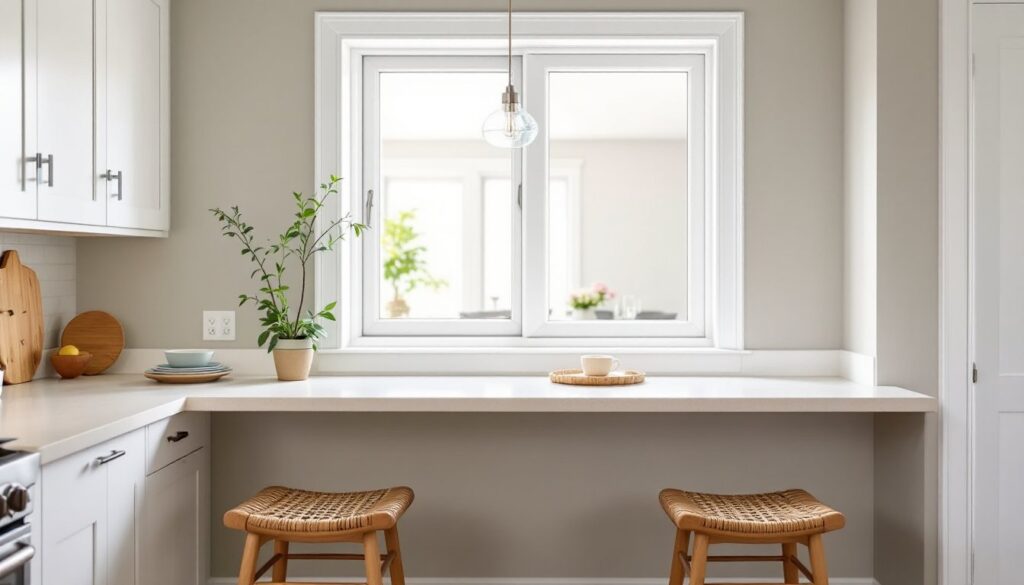
Adding a counter or bar top to the pass through creates a functional dining or serving spot. On the kitchen side, extend the existing countertop material (quartz, butcher block, laminate) to create a ledge that overhangs 8 to 12 inches into the adjacent room. Support it with countertop brackets rated for the material weight, spaced no more than 24 inches apart. On the non-kitchen side, consider bar stools at standard counter height (36 inches) or bar height (42 inches).
If the pass through is above base cabinets, install a solid blocking between studs to anchor the brackets securely. Avoid relying on drywall alone, it won’t handle the cantilever load, especially with dishes or elbows leaning on the edge.
Built-In Shelving and Display Niches
Frame shallow shelves into the wall thickness around the pass through. Standard 2×4 walls offer about 3.5 inches of depth (more in 2×6 walls), enough for stemware, spices, or decorative items. Add LED strip lighting under the shelves to highlight glassware and provide ambient light. This is especially effective if the pass through doubles as a home bar area.
Make sure any shelving doesn’t interfere with window operation or block sightlines. Keep the design symmetrical and align shelves with the window frame for a cleaner look. Many designers reference curated ideas from sources like Remodelista for built-in details that balance function and style.
Integrated Lighting
Pendant lights hung above the pass through counter draw the eye and define the space. Choose fixtures with a 7 to 9-foot clearance from the floor to avoid head bonks. For a cleaner look, recess can lights or linear LED strips into the soffit above the window. This is also where an electrician earns their fee, wiring must be routed through the wall or ceiling, and junction boxes must be properly secured to framing members per NEC code.
Dimmer switches add flexibility, letting the pass through shift from task lighting during meal prep to ambient lighting during dinner.
Decorative Trim and Color Contrast
Trim work can make or break the pass through’s finished look. Wide casing (like 3.5-inch or 5-inch Colonial or Craftsman profiles) gives the opening architectural weight and ties it to existing door and window trim. Paint the interior of the pass through a contrasting color, dark charcoal, navy, or even a bold wallpaper, to add depth and make the opening feel intentional rather than like an afterthought.
For a more casual or farmhouse vibe, consider a barn door or sliding shutter mounted on a rail above the pass through. This gives the option to close off the kitchen for privacy or to contain cooking smells and noise, especially useful for family-friendly kitchen setups where flexibility matters.
Material and Finish Continuity
Match the countertop material on both sides of the pass through for a cohesive look, or contrast them intentionally, butcher block on the kitchen side, painted wood or tile on the dining side. If the pass through includes a sill, choose a durable material like solid surface, tile, or sealed wood that can handle spills, hot dishes, and daily wear.
For L-shaped kitchen designs or galley layouts, positioning the pass through on the long wall can improve work triangle efficiency and reduce steps during meal service. Design resources like Homify showcase international examples of pass throughs integrated into various layout styles.
Practical Hardware and Accessories
Consider adding hooks or a small rail under the counter overhang for hanging utensils, dish towels, or wine glasses. A pull-out cutting board or flip-down shelf on the kitchen side adds temporary prep space without permanent counter intrusion. Magnetic knife strips, spice racks, or even a small wine fridge tucked under the counter on the dining side can turn the pass through into a micro bar or coffee station.
For those tackling broader updates, coordinating the pass through with other kitchen renovation ideas ensures the project feels integrated rather than piecemeal. Similarly, homeowners expanding storage might explore butler’s pantry concepts that complement an open pass through by handling overflow serving and prep tasks.
Keep in mind that design inspiration from sites like The Kitchn can provide practical styling tips, material recommendations, and real-world examples of how others have customized their pass throughs.
Conclusion
A well-executed pass through opens up a small kitchen without the cost or complexity of removing an entire wall. Whether it’s a sliding window for everyday convenience or a bi-fold system for entertaining, the key is proper framing, thoughtful design, and finishes that tie the space together. Take time to plan the structure, obtain permits if required, and consider how lighting, counters, and trim can turn a simple opening into a standout feature.